


Fall Pool Closing Guide: How to Winterize Your Pool
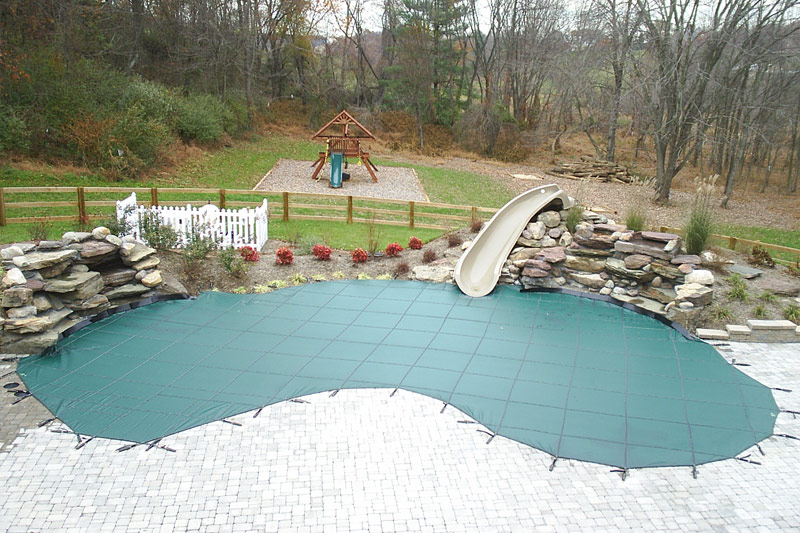
As summer winds down and cooler weather moves in, your backyard transitions into the off-season. For pool owners, that means one important task: properly closing and winterizing the pool.
Taking the time to prepare your pool in the fall can help protect your liner, equipment, plumbing, and safety cover throughout the colder months. It can also make reopening your pool next spring considerably easier.
From balancing the water to installing your safety cover, use this fall pool-closing guide to protect your backyard investment all winter long.
Why Is Winterizing Your Pool Important?
Winterizing helps protect your pool from freezing temperatures, debris, algae, mildew, and other problems that can develop while the pool is closed.
It also helps protect your pool liner and equipment. Water left inside plumbing lines can freeze, while improperly balanced pool water can affect the liner and other pool components. Starting the winter with a clean, properly prepared pool can mean less cleanup when swim season returns.
A properly installed safety pool cover adds another important layer of off-season protection by helping keep debris out while the pool is not in use.
Your Fall Pool Closing Checklist
1. Start Before the First Frost
Do not leave pool closing until the last minute. Give yourself enough time to inspect your pool, order any replacement parts you may need, address problems with your safety cover, and complete the winterization process before freezing temperatures arrive.
Planning matters most if your existing pool cover needs repair or replacement.
2. Inspect Your Safety Pool Cover
Before installing your cover for the season, inspect it closely for wear, damage, loose components, or other issues.
If you notice a tear or other damage, contact your swimming pool professional. Many covers can be repaired after evaluation, and small holes of three inches or less may be repaired with a LOOP-LOC self-adhesive patch kit.
Addressing these issues before you close your pool helps ensure your cover is ready when you need it most.
3. Remove and Store Pool Accessories
Remove ladders, diving boards, toys, skimmers, and other removable accessories before closing the pool.
Clean and dry everything thoroughly before storing it in a garage, shed, or another protected space. Keeping accessories clean and dry during the winter can help prevent unnecessary wear, mold, and rust.
4. Give the Pool a Thorough Cleaning
A cleaner pool at closing generally means less work when spring arrives.
Skim debris from the surface, vacuum the pool floor, and carefully brush the walls and other pool surfaces. Clean your skimmer, pumps, and filters as well so leaves, dirt, and other debris don't sit inside your equipment throughout the off-season.
5. Balance the Water and Add Winterizing Chemicals
Test and adjust your pool water before closing. Proper pH, alkalinity, and calcium hardness levels help protect the pool, liner, and equipment over the coming months.
Also have the appropriate winterizing chemicals ready, including chlorine and algaecide. Your local swimming pool professional can help you determine the appropriate products and treatment for your specific pool.
6. Lower the Water to the Proper Level
Don't drain your pool completely for the winter. Instead, follow the recommendations for your pool and safety cover.
For LOOP-LOC safety covers, current care and maintenance guidance recommends:
- Mesh covers: Keep the water approximately 15 to 18 inches below the top of the swimming pool.
- Solid covers: Keep the water approximately 12 to 16 inches below the top of the swimming pool.
Maintaining the correct water level is particularly important during snowy weather because the pool water helps support the cover. Water that drops too low can place excess stress on the cover and its hardware.
7. Prepare Your Plumbing and Equipment
Water left inside pool plumbing can freeze and damage lines or equipment.
Backwash and clean the filtration system, then properly drain the plumbing lines before temperatures fall below freezing. LOOP-LOC recommends blowing out plumbing lines as part of winterization. Because this step must be completed correctly, uncertain homeowners should work with a qualified swimming pool professional.
8. Install Your Safety Pool Cover
Once the pool is cleaned, balanced, winterized, and prepared, you can install the safety cover.
Make sure the cover is securely fastened and properly tensioned. LOOP-LOC recommends checking strap tension each year when you reinstall the cover so it continues to fit tightly across the pool.
A LOOP-LOC safety cover can also be custom fit for pools of virtually any shape or size, giving homeowners off-season protection without compromising the appearance of their backyard.
9. Prepare the Rest of Your Backyard
Pool closing is also a good time to prepare the surrounding outdoor space.
Trim overhanging branches that could fall onto the pool or cover, remove leaves and debris from the area, and clean and store outdoor furniture and décor.
If you have an outdoor kitchen, clean and protect appliances and bring any seasonal supplies indoors. A little backyard preparation now can help protect the entire space from winter weather.
Don’t Forget About Your Pool During the Winter
Closing the pool doesn't mean you should forget about it until spring.
Periodically inspect the cover for damage or loose fastenings and keep the surrounding yard clear of unnecessary debris. LOOP-LOC advises that snow and ice can remain on its safety covers and be allowed to melt naturally rather than walking onto the cover to remove it. Never allow children, adults, or pets to walk or play on a pool cover.
If you have a solid LOOP-LOC cover without drain panels, use and monitor the automatic cover pump according to LOOP-LOC’s care and maintenance instructions to properly manage accumulated water.
Most importantly, continue checking your pool’s water level throughout the winter, particularly after periods of snow, ice, or significant precipitation.
Protect Your Pool Now for an Easier Spring
Remember, a little preparation in the fall can make a noticeable difference when it is finally time to uncover the pool again.
Cleaning and balancing the water, properly winterizing your equipment, preparing the surrounding backyard, and installing a well-maintained safety cover all help protect your pool through the off-season.
If your current safety cover needs repair or replacement, or you have questions about properly closing your pool, connect with an authorized LOOP-LOC dealer. Your local swimming pool professional can help make sure your pool and cover are properly prepared for the winter ahead.
With the right preparation now, you’ll be that much closer to enjoying your backyard again when warm weather returns.

 Made in the U.S.A.